Buyer Resource Center › The Home Buying Process › 4 FAQs About Closing
Closing, sometimes called settlement, is when ownership of the home officially transfers to you. It's the finish line, and it's normal to have questions about how it works. Here are answers to the four questions I hear most from veterans and military families buying in Oregon and Washington.
Your 4 Closing Questions, Answered
Who's Involved in Closing?
In Oregon and Washington, a neutral escrow officer runs the closing. They prepare documents, collect and disburse funds, and work with the title company, which insures your ownership. Your agent, your lender, and the seller's side all feed information to escrow, but buyers and sellers usually sign separately rather than together at one table.
What Should I Bring?
Bring a valid government photo ID, and any funds you owe at closing, usually sent by verified wire or cashier's check as escrow instructs. Your lender will also need proof of homeowners insurance before closing.
What Will I Sign?
Expect a stack of documents, including your Closing Disclosure, the promissory note that promises to repay the loan, the deed of trust that secures it, and the settlement statement showing every dollar changing hands. Your escrow officer will explain each one.
What Happens After I Sign?
Once your loan funds, the deed is recorded with the county and the home is officially yours. Keys are typically released after recording, often a day or two after you sign. Your first mortgage payment is usually due on the first of the month about 30 to 60 days after closing.
The bottom line: Closing day should feel like a celebration, not a scramble. Read your Closing Disclosure early, verify wiring instructions by phone, bring your ID, and ask questions about anything you don't understand. Your agent and escrow officer are there to make it smooth.
Frequently Asked Questions
How much are closing costs on a VA loan?
They commonly run a few percent of the purchase price, depending on your loan, location, and prepaid items like taxes and insurance. Sellers can pay your normal closing costs and up to 4 percent in additional concessions on a VA loan.
Are there closing costs veterans aren't allowed to pay?
Yes. VA rules limit certain lender fees a veteran can be charged on a purchase. Your lender and escrow officer handle this, but it's one reason VA experience matters.
Can I close without being there in person?
Often, yes. Depending on your lender and escrow company, options may include a mobile notary, remote signing, or a power of attorney. Plan it early, since VA loans have specific power of attorney rules.
When will I get my keys?
Usually once the loan funds and the deed records with the county, which is often a day or two after signing. Your purchase contract spells out exactly when you take possession.
When is my first mortgage payment due?
Typically on the first day of the month after a full month has passed since closing, so roughly 30 to 60 days later. Your lender will send you payment instructions.
What should I do after closing?
Keep copies of your closing documents, update your address, and set up utilities in your name. If you have a service connected disability rating, apply for your state's disabled veteran property tax exemption with the county.
Keep Reading
From Contract to Closing
What happens between an accepted offer and getting your keys.
Read more ›Don't Be a Victim of Real Estate Wire Fraud
How scammers target closing funds and how to protect yours.
Read more ›A Homebuyer's Quick Guide to Property Taxes
Oregon and Washington property taxes, plus disabled veteran exemptions.
Read more ›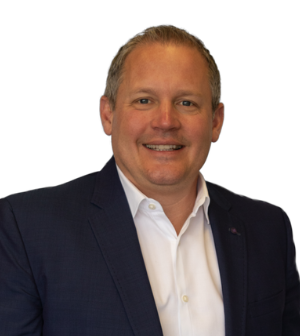
Meet Your Veteran Realtor
Troy Doty, Principal Broker
Troy Doty is a Principal Broker with Northwest Realty Source in Portland, with 25 years in real estate and over 1,000 homes sold across the Portland metro and SW Washington. As a Marine Corps veteran, Troy has a true passion for helping Portland veterans and active duty military families buy and sell homes, whether you're PCSing in, transitioning out, buying your first home, investing in a duplex, triplex, or fourplex, or right sizing later in life.
Schedule a Call or Video Meeting ➜ More About Troy ➜ Free Veteran Buyer E-BookPrefer to call or email? 503.997.4169 · troy@nwrealtysource.com
Troy Doty, Principal Broker, Northwest Realty Source. Licensed in Oregon and Washington. ABR®, MRP, and SRES® are credentials of the National Association of REALTORS® and its affiliates. CIAS™ is a designation of U.S. Realty Training. Content adapted in part from ABR® consumer resources. This page is general information, not legal, tax, or lending advice.